Recommerce for Shopify: A Sustainable Retail Guide

The way we shop is changing. Consumers are more conscious than ever about the environmental footprint of their purchases, and retailers are responding. Enter recommerce: a model that's reshaping how products are bought, sold, and valued. For Shopify merchants, it represents both a business opportunity and a genuine step toward sustainability.
What is recommerce?
Recommerce, short for “reverse commerce,” is the buying and selling of pre-owned, refurbished, or secondhand goods through digital or physical channels. It typically works through organized buyback, trade-in, or upcycling programs, where customers return used products in exchange for store credit or cash. The retailer then cleans up the items and relists them at a reduced price.
Think of it as closing the loop on a product's life. Instead of ending up in a landfill, a down jacket, a warm pair of boots, or a functioning piece of gear can all get a second chance.
What is the circular economy?
To understand recommerce, you need to understand the circular economy. Traditional retail follows a linear model: make, sell, use, then discard. The circular economy flips that on its head.
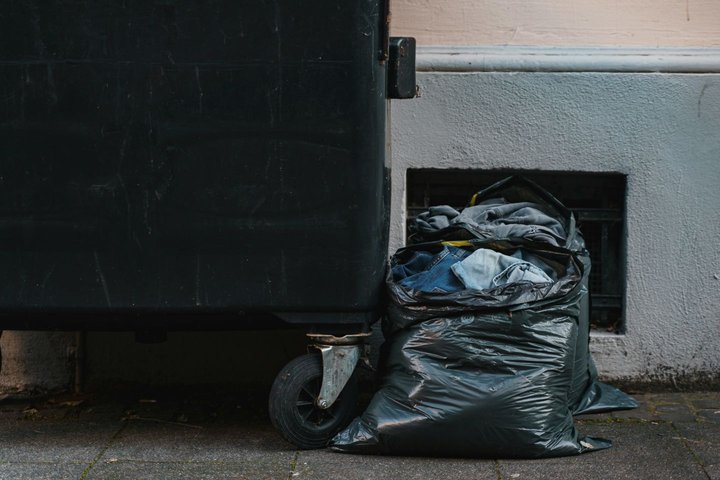
The circular economy is a regenerative system designed to minimize waste by keeping products and materials in use for as long as possible.
Rather than extracting resources to create new products that are eventually thrown away, the circular economy prioritizes reuse, repair, refurbishment, and recycling. Recommerce is one of its most practical and scalable expressions.
Why recommerce matters for Shopify merchants
The numbers make a compelling case. According to the World Economic Forum, the transition toward a circular economy is estimated to represent a $4.5 trillion global growth opportunity by 2030, while also helping to restore natural systems. This potential underscores the urgency and scale of change needed to fully realize its benefits.
Beyond the revenue opportunity, recommerce deepens customer engagement. Trade-in programs and buyback schemes bring shoppers back to your store, often converting them into repeat buyers. It also strengthens brand loyalty, particularly among younger consumers.
Research confirms that Gen Z is leading the shift toward secondhand shopping, especially in fashion, motivated by both environmental values and affordability.
How established brands approach recommerce
Some of the most respected names in outdoor and lifestyle retail have already built recommerce into their core identity, and they've done it with language that feels warm rather than clinical.
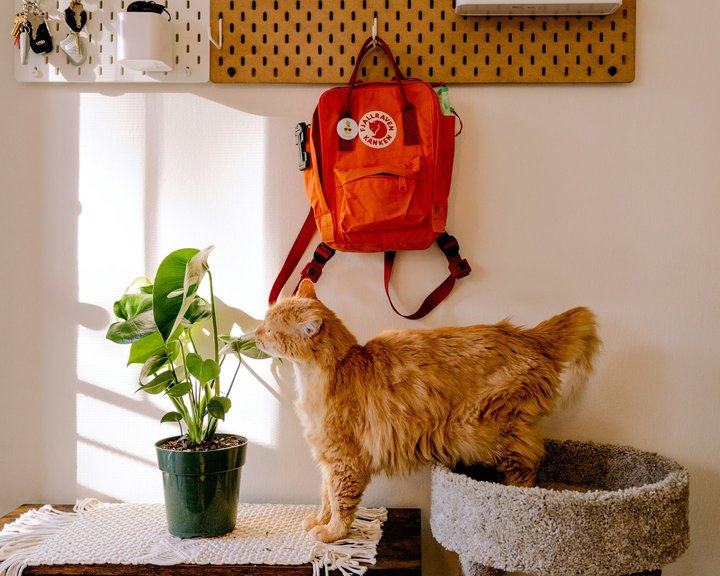
Patagonia is perhaps the most well-known example. Through its Worn Wear program, the brand buys back used Patagonia gear from customers and resells it in a dedicated section of its store. The framing is intentional: these aren't “used” items; they're well-loved pieces with a story. The program reinforces Patagonia's environmental mission while giving customers a more affordable entry point into the brand.
Fjällräven takes a similar approach with its Pre-Loved collection. Rather than positioning secondhand as lesser, the label elevates it. A pre-loved Kånken backpack carries history. Like Patagonia, the wording shifts the perception of secondhand from “someone else's castoff” to “a product worth caring for.”
Both brands demonstrate that recommerce isn't just a sustainability checkbox. When executed properly, it can become a core part of your brand's marketing.


How to launch recommerce on Shopify
For Shopify merchants, getting started with recommerce doesn't require a complete overhaul of your store. Here are a few practical approaches:
- Buyback programs: Invite customers to return used products in exchange for store credit. This brings inventory back into your hands and keeps customers in your ecosystem.
- Trade-in programs: Customers trade in an older version of a product toward a new purchase. Common in electronics and apparel.
- Dedicated resale sections: Create a separate collection in your store for pre-owned or refurbished items. Give it a name that fits your brand voice; maybe something like “Pre-Loved” or “Second Life” could work?
- Upcycling initiatives: Partner with makers or in-house teams to transform returned items into something new, adding value rather than discarding it.
The key is making the process seamless for the customer. A clear returns flow, transparent grading of item condition, and honest pricing go a long way toward building trust.
The environmental impact for Shopify stores
The case for recommerce isn't just commercial. Every product that gets resold is one less product that needs to be manufactured from scratch. That means fewer raw materials extracted, less energy consumed, and less waste sent to landfill.

When businesses engage in recommerce, they contribute to a system where products get a second, third, or even fourth life. At scale, that adds up to a meaningful reduction in carbon emissions and resource consumption, something increasingly important as brands face pressure to meet sustainability commitments.
Even small operational changes can make a difference. Sufio helps 7,550+ merchants eliminate paper waste by automatically generating and sending Shopify invoices, credit notes, and delivery notes digitally, saving trees and streamlining workflows in one go.
The bottom line
Recommerce isn't a niche trend. It's one of the early signs of a structural shift in how retail works, and it's gaining momentum fast. For Shopify merchants, it offers a way to generate new revenue, attract sustainability-minded customers, and build a brand that stands for something beyond the transaction.
The circular economy rewards businesses that think beyond the first sale. Recommerce is how you get there.